The Three-Base Menu: Feeding Vegans, Coeliacs and Fussy Uncles Across Four Wedding Parties
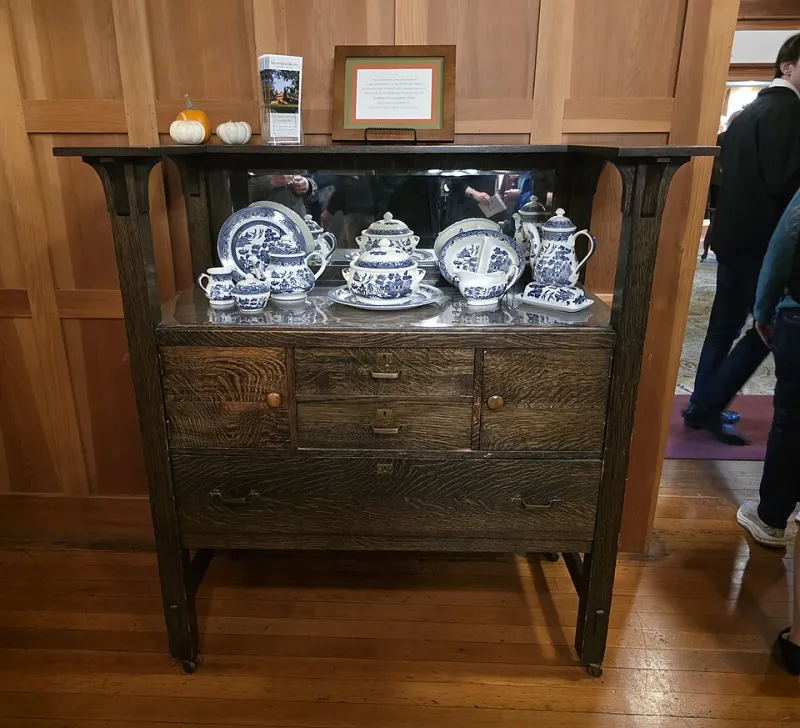
Photo: Cullen328, CC BY-SA 4.0, via Wikimedia Commons
Every wedding weekend has one. The cousin who's coeliac. The mate who's been vegan since uni and will quietly eat crisps all weekend rather than make a fuss. The grandmother who considers a wrap to be a bit modern. And the uncle who will inspect a plate and announce, at volume, that he "doesn't do sauce".
Multiply that by four parties — the Friday-night welcome, the Saturday ceremony and meal, the Sunday lunch and the Monday-morning send-off — and it's easy to panic and assume you need four different menus, a second caterer and a spreadsheet with colour-coding.
You don't. What you need is a menu with a bit of architecture to it.
Start With Bases, Not Dishes
The trap most couples fall into is planning dishes first — twelve of them, each with a sauce, a garnish and a story — then trying to hack allergy-friendly versions out of each one. That's how you end up paying a caterer to make one tiny separate lasagne.
Flip it. Choose three or four bases that can be assembled differently on the plate. Think: a grain or potato base, a protein, a pile of roasted veg, a couple of sauces on the side.
A jacket potato bar on the Friday night does more work than it gets credit for. So does a build-your-own bowl situation, a proper Sunday carvery-style spread, or a big traybake-and-salads table. Every guest walks along the same line, takes what suits them, and nobody's meal arrives from the kitchen in a separate foil container with their name on it.
One line, many plates. That's the whole idea.
Read the Free-From Aisle Properly
Supermarket free-from sections have got genuinely good, and they're a budget lever rather than a compromise. Own-brand gluten-free pasta, dairy-free yoghurt, vegan mayo and decent hummus will carry you a long way for a fraction of what a specialist supplier charges.
A note for anything served without packaging, though: since Natasha's Law came in, food prepacked for direct sale needs a proper allergen label. If your auntie is doing the Friday night buffet in the church hall, get the allergen info written down and on display — not because anyone's going to be awkward about it, but because a coeliac guest needs to trust the table, and a written list is how trust gets built.
And do learn the fourteen allergens. Not to memorise the list for fun, but so you can answer "is there wheat in this?" without a trip to the kitchen. It's the single most useful bit of admin in the whole weekend.
Ask Earlier Than Feels Polite
Send the diet question with the save-the-date, not the RSVP. People with coeliac disease or a serious nut allergy are used to chasing venues, and giving them six months' notice means they'll relax — and often means they'll offer to bring something, which saves you money.
Ask in plain language: any allergies, intolerances or anything you don't eat? Not a tick-box list of seventeen options, which people ignore. A blank box gets honest answers.
Then collate it once, in one place, and share the same list with every caterer, pub kitchen and helpful relative across all four events. The Sunday lunch pub does not need to rediscover that your brother-in-law is dairy-free.
Build a Label Station for About a Tenner
This is the bit that makes a mixed buffet feel calm rather than chaotic. Buy a pack of plain white card, a black marker and a roll of washi tape. That's the system.
Then write, on every single dish:
- What it is — "Butterbean and tomato stew", not "Chef's special"
- What's in it, briefly — the allergens that matter, in plain words: contains dairy, gluten-free, vegan
- A symbol — a little V, GF, DF or a chilli, so people can scan the table at a glance instead of reading fourteen cards
Prop them in front of the dish, taped to the edge, so they don't end up face-down in the potato salad. Keep a printed allergen sheet at the end of the table for anyone who wants the detail.
The whole thing takes twenty minutes and it does more for guest happiness than an extra £200 of canapés.
Kill the Separate Meal Before It Appears
The moment a caterer says "we can do a separate vegan option", ask what it is. If the answer is a risotto, a stuffed pepper or a mushroom something, you've just spent money to make one guest feel singled out and slightly sorry for themselves.
Nine times out of ten, the right move is making one of the main dishes naturally plant-based — a chickpea and squash tagine, a giant bean chilli, a roast veg and lentil traybake — and then serving the meat or cheese alongside. Guests who want both take both. Guests who want neither take the plant one and feel like a normal person at a party.
Same with gluten. Rice, potatoes, polenta, corn tortillas and most curries are coeliac-friendly by default. You're not engineering a workaround; you're just choosing dishes that already work.
Four Events, Four Different Problems
Each party has a different pressure point, so plan them differently:
Friday welcome. Keep it cold and assembly-based. Charcuterie, cheese, pickles, a big bowl of gf crackers, hummus, crudités, a vegan potato salad made with olive oil rather than mayo. Nothing needs to be kept hot and nothing needs a separate cooking session.
Saturday main meal. This is where the sit-down food goes, so this is where you need the caterer to be genuinely clued up. Ask them directly how they handle allergens and whether they charge per head for dietary variations. Some do; many don't if the variation is a swap rather than a whole new dish.
Sunday lunch. A pub roast is almost purpose-built for this. Vegetarian roast, gluten-free Yorkshire (ask ahead), plenty of veg cooked plainly. Pick a pub that doesn't flinch at the question — the flinch tells you something.
Monday send-off. Bacon baps and a vegan sausage bap, done in the same trays with separate tongs. Fruit, pastries, proper coffee. Nobody needs a fourth bespoke menu at 10am on a Monday.
The Budget Reality
Cooking one flexible menu across four events is cheaper than it looks, mostly because you stop buying twelve of things to cover every eventuality. A rough rule: budget the same per head as you would for a normal guest, and add maybe 5% for free-from swaps and a couple of extra dishes. That's usually less than the premium you'd pay for four separate catering quotes.
And if you're doing any of it yourselves, buy the free-from staples in bulk from the supermarket rather than a specialist site. The gluten-free pasta in Aldi costs roughly what the regular stuff does. It's not a luxury purchase, it's just a different box.
The One Thing to Remember
The goal isn't a menu where every guest can eat every dish. It's a menu where every guest can fill a plate and not feel like the awkward one who needed a special arrangement. Three bases, clear labels, a plain-English allergen list, and a caterer who answers questions without sighing.
Do that and the uncle who doesn't do sauce will find something to eat. He'll still tell you about it, mind.