Lifts, Lists and a Bloke Called Dave: Getting Everyone Home From a Village Wedding Weekend

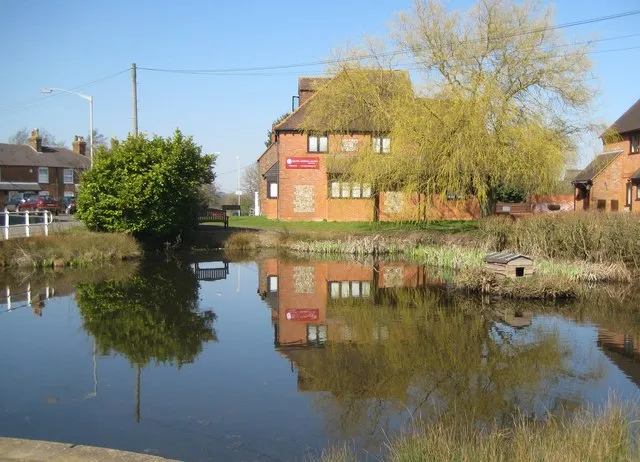
Photo: Tess Mattew, CC BY-SA 4.0, via Wikimedia Commons
Every village wedding weekend hits the same wall at about 11pm on the Friday. The band has packed up, the last of the prosecco is gone, and forty people are standing in a car park in the dark discovering that the nearest taxi firm is twenty-two miles away and has two cars, both currently at a hen do in the next county.
That's not a disaster, it's a planning gap. And it's a cheap one to close — much cheaper than the alternative, which is you, at midnight, driving a stranger's aunt back to a Travelodge in a car that smells of confetti.
Here's how to sort transport for a four-part wedding weekend in a village that has a church, a pub, a war memorial and absolutely no Uber coverage.
Start with the honest maths
Before you ring a single minibus company, work out the real shape of the problem. Count your guests, then count how many are actually staying within walking distance of the venue. In most village weddings that's a surprisingly small number — maybe the couple, the immediate family and whoever bagged the two rooms at the pub.
Everyone else is in a holiday let three miles away, a Premier Inn by the bypass, or a farm campsite that looked charming in the photos and is now a mud-based experience.
Now count the events. Four parties means four nights of moving people, and they won't all need the same service. The Friday night drinks might only involve thirty people. The Saturday ceremony and reception is your big one. The Sunday lunch might be twelve people and two cars. Be honest about which events actually need wheels, because paying for a 16-seater on a night when eight people are coming is how budgets quietly die.
The minibus is the workhorse
For a UK village do, a community minibus or a hired 16-seater is the single best-value thing you can book. Realistically, expect somewhere between £280 and £450 for an evening run with a driver, depending on your region and how late you keep them. Split that across thirty guests and it's less than a round of drinks each.
The trick is to book it as a shuttle rather than a one-way trip. A driver who does a loop — venue to the three main accommodation clusters and back — can shift a whole wedding in ninety minutes. Give them a printed route with postcodes, not a hopeful WhatsApp pin.
Check whether your driver will wait. Some will, for a small hourly rate, which is worth every penny at the point where the last guest is doing a slow emotional lap of the marquee. Also ask about the Sunday morning pick-up. Nobody wants to leave a village wedding in a taxi that doesn't exist, but nobody wants to walk two miles uphill with a hangover either.
The printed board beats the group chat
Here's the bit that catches people out: village phone signal. In a surprising number of rural venues, the group chat goes dead the moment you pass the last housing estate, and suddenly nobody can find out which car is leaving when.
So print it. A simple A4 board, laminated if you're feeling flush, propped by the door with the evening's departure times, the names of the drivers and a handwritten note of which pub the minibus is collecting from. It costs about £3 at a print shop and it saves an hour of confused milling.
Add a local taxi board too, even if the news is bleak. Ring the three nearest firms a fortnight ahead, ask them directly how many cars they can guarantee on your date, and write down what they actually say. Then print their numbers with the honest caveat: two cars available, book by Thursday. Guests respect a clear warning far more than they respect a phone number that rings out.
The designated driver rota
If you've got a cluster of guests who know each other and drive, a rota is the cheapest transport system ever invented. The rules need to be clear and slightly boring:
- One driver per night, no exceptions. Not "I'll just have a small one." Not one.
- Rota decided before the weekend, in writing. Nobody should be nominated at 9pm by a cousin with a mischievous grin.
- The driver gets the good soft drinks. Buy proper alcohol-free beer, not the sad bottle left over from dry January.
- A thank-you that isn't just a hug. A round at the Sunday lunch, or their breakfast paid for, goes a long way.
Rotas work beautifully for the smaller events — the Friday drinks, the Sunday pub lunch — and free up your minibus budget for the Saturday, when everyone needs moving at once.
Walking, but planned properly
If the village is genuinely pretty and the lanes are quiet, walking can be the best part of the weekend. But it needs planning, not optimism. Country lanes have no pavement, no lighting and, in November, a hedge-to-hedge darkness that surprises town guests.
So: walk in groups, never alone. Hand out cheap torches or head torches (a tenner for a pack of six online) rather than relying on phone lights, because phone batteries are precious and half of them will be at 8% by ten o'clock. Print a simple hand-drawn map with the safe route marked — the footpath behind the church, not the blind bend on the B-road. And if anyone's had a few, put them in the minibus. A stumble on a verge is funny; a stumble on an unlit lane is not.
One person, one clipboard
The unsung hero of rural wedding transport is the friend who agrees to be transport marshal for the weekend. One person. Not the couple, who will be busy being married. Someone with a clipboard, a list of every guest's accommodation and a mildly terrifying air of authority.
Their job is small but crucial: confirm every single lift home, in person, before the dancing starts. Not by text — in person, because the signal won't hold. They tick names off, they know who's in car three, and they are the person the minibus driver can ring at the end of the night when two guests have gone missing and are actually just in the beer garden.
What it all costs
A realistic four-event village transport plan, for a wedding of around seventy guests:
- Saturday night minibus shuttle, with driver: £300–£450
- Friday local taxi fund for stragglers: £60
- Sunday lunch minibus (single run, shared with another booking): £120–£180
- Six head torches and a laminated board: £20
- Driver thank-yous (three nights): £60 in drinks and breakfasts
Call it £600 at the top end, split across four parties and seventy people. That's roughly £8.50 a head for the privilege of never once having to say the words "sorry, we can't find you a taxi" to your new mother-in-law.
Book the minibus early, print the board, name your marshal, and put a torch in the welcome bag. The village will still be dark, the signal will still be rubbish, and everyone will still get home.