The Cold Chain: Feeding Four Parties Out of One Village Hall Fridge
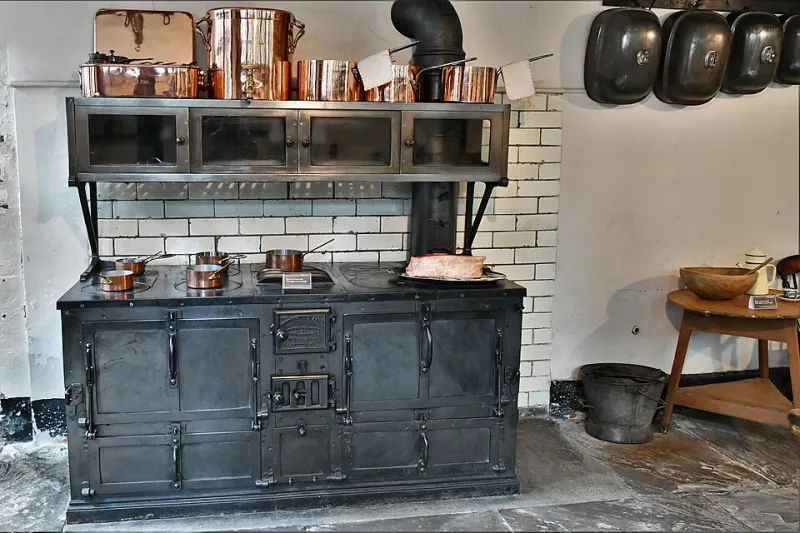
Photo: Michael Garlick , CC BY-SA 2.0, via Wikimedia Commons
There is a moment in every village hall wedding weekend when the planning meets the polystyrene. It is usually about ninety minutes before the Saturday evening meal. Someone is holding a tray of something that absolutely must stay cold, and they are staring into a fridge that already contains four tubs of coleslaw, a wedding cake, a bag of ice quietly melting in the door, and a mysterious Tupperware with no name on it.
Cold space is the resource that runs out first. Not chairs, not plates, not parking. Fridges. So before you write a menu, draw a cold plan.
Measure the cold you have actually got
Turn up at the hall with a tape measure, a thermometer and no optimism. Write down the internal width, depth and shelf heights of the main fridge. Note the freezer compartment — is it a real freezer or the tiny icebox that never gets below about minus six? Check whether there is a second appliance in a storeroom that nobody mentioned. Count the sockets, and count them again, because the urn, the band and the fairy lights all want one.
Two things catch people out. First, halls often switch appliances off between bookings, so a fridge can be warm on Friday morning. Get in a day early if you can, plug in, and check it has pulled down to between 0°C and 5°C before anything goes in. Second, check your booking terms about bringing your own appliances — most halls are fine with a borrowed under-counter fridge, some want it PAT tested, and a few will want it mentioned on their risk assessment.
A £3 fridge thermometer is the best money you will spend all weekend. Two is better: one for the hall fridge, one for whichever cool box is doing the heavy lifting.
Split the cold into four zones
Stop thinking of it as 'the fridge'. Think of four zones with different jobs.
Zone one — the hall fridge. This is precious, so it gets the risky, high-value, ready-to-eat stuff. Cream, smoked salmon, the wedding cake if it will fit, dressings, dairy alternatives, anything vegan that must not be near a sausage. Nothing raw above anything cooked, ever.
Zone two — the freezer. Ice, frozen peas (they double as emergency ice packs), part-baked bread, and anything you have cooked and frozen in advance. A batch of chilli frozen in flat bags on Tuesday is worth an hour of Saturday panic.
Zone three — cool boxes. Drinks, whole vegetables, sealed jars, unopened cartons. Cold but not risky. These are the pressure-release valve for the fridge.
Zone four — the ambient cold. North-facing back room, a garage, a shaded stone-floored scullery if the hall is old enough to have one. Butter in a lidded box, root veg, unopened long-life milk. It is not a fridge, but it is not the kitchen worktop either, and it takes forty items off your list.
Cool boxes are fridges, not cupboards with lids
A cool box in a warm kitchen is a cupboard. Fill it two-thirds full, pack ice packs down the sides as well as on top, keep it shut, keep it in the shade, and lift it off a cold floor onto something insulating. Replenish ice packs twice a day and put a name on the rota for that job, because 'someone will notice' is not a system.
The borrowed chest freezer
If a neighbour offers a chest freezer, say yes, then treat it properly. Transport it upright, let it stand for 24 hours before plugging in, and check it actually reaches minus 18°C. Tape the plug into the socket or label it loudly — the single most common cold-storage disaster is a well-meaning guest unplugging the freezer to charge a phone or plug in a speaker. Do not daisy-chain extension leads, and find the hall's fuse box before you need it.
Labels that survive four catering pushes
Blue painter's tape and a Sharpie. On every single item, no exceptions: what it is, who made it, when it was made, when it was opened, and any allergen that matters. Add a shelf rule — oldest to the front — and a separate shelf labelled 'not until Saturday'. A 'do not serve until Sunday brunch' shelf saves marriages.
The Friday-night trap deserves its own line. Guests arrive with food. All of them. Put out a labelled cool box with a sign: cold things in here, name and date please. Otherwise you will find a quiche of unknown age behind the milk on Sunday and have to make a judgement call you would rather not make.
Reheating is where weekends go wrong
Cooking for a crowd is manageable. Reheating for a crowd is where people get careless. Cool anything you have cooked within 90 minutes, in shallow containers, then get it cold fast. Reheat once — only once — until it is steaming and piping hot all the way through, which means 75°C on a probe thermometer, not 'it feels warm'. Keep a sheet of paper on the wall: item, time, temperature, initials. It takes ninety seconds and it is the difference between a story you tell for years and a story you do not tell at all.
Budget for roughly a tenth of your food to be wasted rather than stretching every portion to its limit. Waste is a line item. Food poisoning is a wedding.
A cold-storage run sheet
- Thursday: appliances on, thermometers in, cool boxes borrowed and labelled.
- Friday morning: first shop, everything decanted, labelled and dated.
- Friday evening: welcome drinks — drinks move to cool boxes, fridge holds Saturday's risky items.
- Saturday morning: audit. Read every label. Bin anything you cannot account for.
- Saturday evening: after service, cool and box leftovers within 90 minutes; fridge reset for Sunday.
- Sunday morning: brunch out of the fridge, then a full clean-down and a photo of the empty shelves for your deposit file.
It is not glamorous. But a cold plan means Saturday at 5pm you are holding a glass, not a tray of chicken thighs, working out which of your new in-laws you can persuade to go and buy ice.