Pass the Mic, Not the Marathon: Spreading Wedding Words Across Four Parties
Wedding speeches have a reputation problem. Somewhere between the first clink of a glass and the last uncle clearing his throat, a lovely meal turns into a hostage situation. The fix is not a better microphone. It is a better spread.
If you are planning a four-party wedding weekend — welcome drinks, ceremony, dinner, next-day brunch — you have four chances to say the important things. Use them. Do not cram every reading, anecdote and thank-you into Saturday night.
Give every party one job
The easiest way to avoid a speech marathon is to decide what each gathering is for. Write it down. Stick it in the group chat.
- Friday welcome: two minutes from a host. Thank people for travelling, point out the loos, the water station and the pub. No readings. No slideshow. No best-person speech. Save the good stuff.
- Saturday ceremony: one or two readings, maximum 90 seconds each. The celebrant or officiant carries the structure. If you are having a friend read, give them the whole ceremony running order so they know when to stand.
- Saturday dinner: three speeches, each three to four minutes. That is it. One from a host or family member, one from the couple, one from the best person or a friend. Three speeches at nine to twelve minutes total is a proper after-dinner moment, not a second shift.
- Sunday brunch: the safety net. A short thank-you from the couple, one family speaker if they want it, and an open sign-up sheet for two-minute toasts. People who were too nervous on Saturday often find their voice over a bacon roll.
The three-speech ceiling
Three speeches at the main meal is not a legal limit, but it is a kind one. It gives each speaker room to be funny, sincere and brief. It also protects the roast potatoes.
If someone turns up with twelve pages, ask for a three-minute highlight and a written copy for the website or a printed booklet. If two people want to speak together, let them share one slot. If a parent expects to speak for twenty minutes because that is what happened at their own wedding in 1987, blame the venue. Say the room has a strict curfew. It is a white lie with excellent acoustics.
The couple's speech does not need to thank every single guest by name. Thank the people who did the heavy lifting, name the ones who travelled furthest, and save the rest for the brunch. A short list is warmer than a long one.
Keep nerves and volume in check without a PA
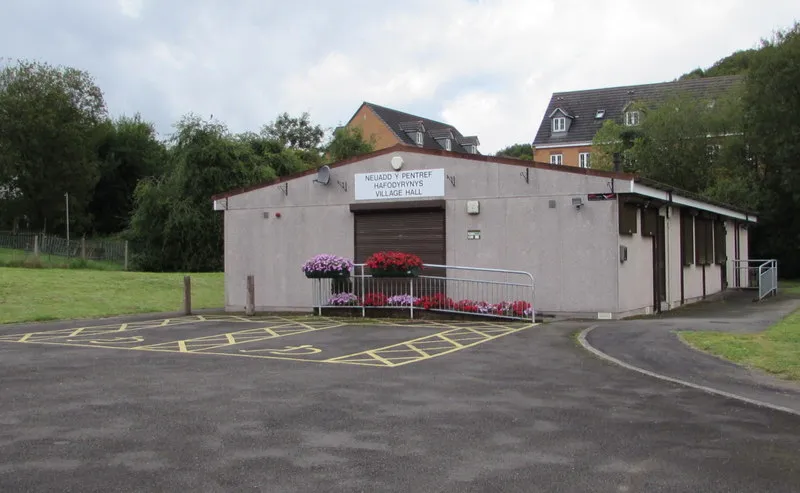
You do not need to hire a sound engineer for a village hall. You do need to think about the room.
Do an acoustic check the day before. Stand where the speaker will stand. Get a friend to sit at the back and tell you honestly whether they can hear. If the answer is no, move the speech spot. Avoid standing in front of a window, a noisy extractor fan or the kitchen door. A hard wall behind you helps. A carpeted corner swallows sound.
Ask the venue to pause background music and close doors during speeches. This is free and makes more difference than most hired kit. If there is a band, agree a hard stop before speeches. If there is a dishwasher, ask them to run it after.
For volume, speak to the back wall, not the person in front of you. Slow down. Pause after the funny line. Keep water at room temperature — cold water tightens your throat. Print speeches in 18-point type, one side only, and put them in a card folder from a stationer or charity shop. A4 sheets flapping in your hand is half the wobble.
A borrowed lectern from a church or school can help, but a side table and a sturdy chair work too. Skip the megaphone. In a low-ceilinged pub function room, a megaphone is just a louder apology.
Make the room speech-ready for pocket money
You do not need a stage. You need a clear focal point. A plain wall, one clip-on rechargeable light, a charity-shop tray for water glasses and a hand-written card saying who speaks next. That is the whole set.
A few budget ideas that earn their keep:
- Print a simple order of speeches on A5 card and put it on tables. Guests relax when they know what is coming.
- Borrow two rechargeable clip lights rather than buying a lighting rig. Test them on the wall first.
- Use a cheap glass carafe and mismatched charity-shop tumblers. Nobody is checking for matching crystal.
- Make a word-wrangler kit: spare pens, sticky notes, a timer, tissues, a phone charger and a copy of every speech. Give it to one calm friend.
- Put a small sign on the bar: Speeches at 8pm. It stops the room from starting its own competing speeches.
The word wrangler is not an MC and not hired staff. They just keep the order, tap the next speaker on the shoulder and give the couple a signal when it is time to wrap up. Agree the signal in advance. A raised hand is less rude than a bell.
Write for ears, not eyes
Most wobbly speeches are not badly written. They are badly formatted. Short sentences. Contractions. One idea per paragraph. Read it aloud standing up, ideally to one patient person and a dog. If you run out of breath, cut a clause. If a joke needs a footnote, cut the joke.
End with a toast that the room can repeat. Keep it to four or five words. The best wedding words are not the longest ones. They are the ones people can still remember on the Sunday, when someone is handing out bacon rolls and asking for the microphone.