Three Quid, Four Moments: Wedding Favours That Actually Make It Home
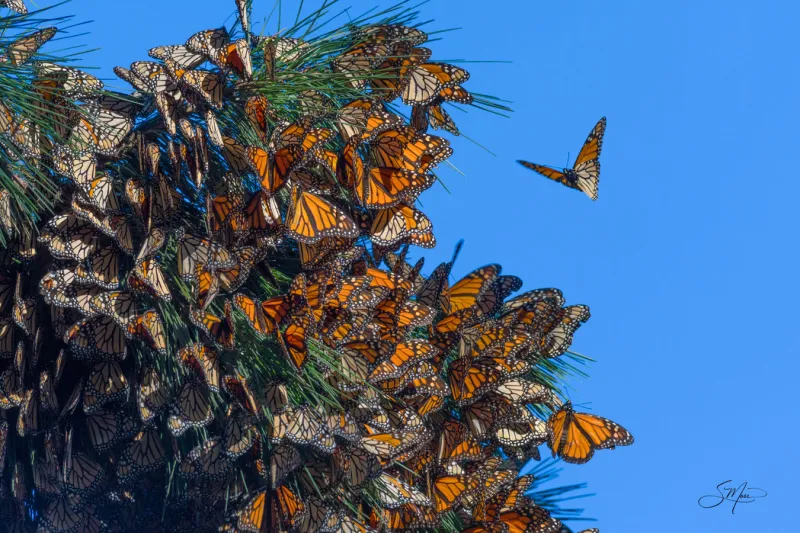
Photo: wedding favours table setting kraft paper bags small gifts flat lay, via www.sandymossphotography.com
The clock says 11.40pm. The band is packing away, someone's uncle is doing magic tricks with a pint glass, and there on table seven sit fourteen little boxes nobody has touched. Succulents in hessian. You spent £4.50 a head, and you'll be carrying them to the car in a bin bag.
Favours are one of those traditions that everyone budgets for and almost nobody misses. But that doesn't mean you should scrap them. It means buying ones that get eaten, used or pocketed on purpose. Spread across four celebrations rather than one, a decent favour can also do some quiet heavy lifting: something to soak up the welcome drinks, something to keep fidgety guests occupied before the ceremony, something to take home for Sunday morning.
Here's how to spend under £3 a head and still end up with favours that leave the building.
The bin test: three questions before you buy anything
Before anything goes in the basket, run it through this:
- Would I pick this up from a table that wasn't mine? Be honest. You've left things behind too.
- Does it get used within 48 hours? If the answer is 'sometime', it's going in a drawer.
- Would it survive a coat pocket, a taxi and a Sunday morning? Anything glass, anything with a loose lid, anything that leaks, fails.
If a favour fails two out of three, it isn't a favour. It's table confetti you paid for.
The £3 maths
Four small things beat one expensive thing, because each one gets its own moment. A realistic breakdown:
| Moment | What guests get | Rough cost per head |
|---|---|---|
| Welcome drinks | Snack bag of British crisps or roasted nuts | 45p |
| Ceremony | Charity donation card plus a pin badge | 80p |
| Wedding breakfast | Two pieces of fudge at the place setting | 60p |
| Morning after | Small jar of local honey or a bacon bap kit | 65p |
| Packaging | Glassine bags, kraft paper and one rubber stamp | 35p |
| Total | about £2.85 |
Prices wobble depending on where you shop and how many guests you're feeding, but that's the shape of it. Buy in bulk where you can — cash and carry for snacks, a local maker for the edible bits, and one stamp you reuse across all four events rather than four lots of printed labels.
Party one: welcome drinks, sorted in one bite
The first favour should be consumed within about ninety seconds of arrival. Nobody wants a keepsake when they're hungry, slightly nervous and holding a warm glass of something.
Mini bags of proper crisps, a paper cone of roasted nuts, or a small bag of popcorn work beautifully here. Not the sad multipack from the supermarket — go to a cash and carry or a wholesaler and buy a box of 48 snack bags for £20 or so. Sea salt and cider vinegar. Salt and black pepper. Something with a bit of character.
This is also the cheapest moment to skip entirely if your welcome drinks already come with canapés. Don't double up.
Party two: the ceremony favour that costs less than a pint
Charity donation cards have had a rough reputation, mostly because people print them badly on a home printer and leave them on chairs. Done well, they're the most sensible favour on this list.
Pick a cause that genuinely means something to you both — a local hospice, a wildlife trust, a food bank — and donate, say, 80p or £1 per guest. Then print a small card the size of a business card explaining where the money went. Keep the wording plain: 'In place of a favour, £1 per guest has gone to [charity].' No poems. No quotes about love.
If you want something to actually hand over, add a pin badge from the same charity — many sell them for £1 — or a packet of British wildflower seeds from a conservation charity. They're small, flat, and they don't smash.
Party three: on the plate, not beside it
A favour that doubles as part of the table setting is a favour that gets picked up. Two squares of fudge, a wrapped biscuit, a small bag of chocolate buttons — anything that looks like it belongs next to the napkin.
The trick is buying from a UK maker rather than a wedding supplier. Cornish fudge, Scottish shortbread, Yorkshire parkin, Welsh honey fudge — order in bulk, wrap in glassine bags, tie with twine. You'll pay roughly 60p a head instead of £2.50 for the same thing in a printed box.
If you're having a cheese course, tiny waxed cheeses work, but check your venue's storage. Warm cheese is a smell, not a favour.
Party four: brunch and the posh doggy bag
The morning-after event is where favours get a second life. Anything left over from the night before can be boxed up — and honestly, a box of leftover cake is more welcome at 10am than any trinket.
If you want something purpose-bought, small jars of local honey or marmalade are lovely, but they fail the coat-pocket test. Better options: a bag of ground coffee from a local roaster, a packet of good tea, or a 'bacon bap kit' — a small paper bag with a couple of rashers and a roll from the village butcher for guests heading home on a long drive.
This is also the moment to hand out anything you didn't use earlier. Two favours at brunch is better than fourteen left on table seven.
Packaging: buy less, stamp more
You can spend as much on packaging as on the favour itself, which rather defeats the point. Keep it plain:
- Glassine bags, roughly £6 for 100
- Kraft paper bags for the bigger items
- Twine or paper tape, not ribbon that unravels
- One rubber stamp with your names or a simple motif, about £15, used across all four parties
Skip printed stickers with your wedding date. Nobody keeps a sticker, and dated items feel immediately out of date.
What to skip
Personalised anything with a full date on it. Mini bottles of bubbles, which leak. CDs and USB sticks, which are 2026's version of a paperweight. Keyrings. Matches, which most venues won't allow anyway. And anything glass that has to travel in a car boot.
A final thought on numbers
Order about 10% extra, not 30%. If you're budgeting £3 a head and 20% of favours don't go home, you've still spent less than one round of drinks at the pub. And the one favour people will remember is the one they ate on the way back to the B&B, not the one that's still in a box in your spare room.