Soft Corners, Low Lamps and a Door That Shuts: A Sensory Plan for Four Wedding Parties
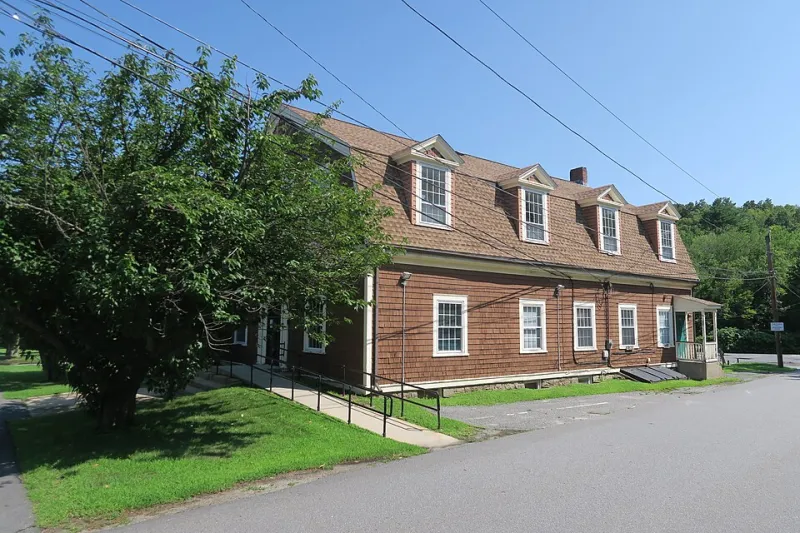
Photo: John Phelan, CC BY 4.0, via Wikimedia Commons
Every long wedding weekend has one. The guest who slips out halfway through the speeches and reappears twenty minutes later looking like a different person. The toddler who was fine until the disco lights started. The uncle who loves you dearly and would rather eat a wasp than sit through a second chorus of Sweet Caroline at close range.
None of that is rudeness. It is regulation — people managing noise, crowds, bright light and the particular exhaustion of being sociable for eleven hours in a row. And the fix is rarely expensive. In our experience it is a door that closes, a lamp instead of a strip light, and a basket of fidget toys that cost less than a round of drinks.
The quiet room is not a naughty step
Start with the name, because words do a lot of work here. Call it The Quiet Room, The Sitting Room, or just The Snug. Avoid anything that sounds like a medical appointment or a behaviour-management strategy. If the board that lists the bar and the loos also lists the quiet room in the same font, guests stop treating it as a mysterious annexe for the struggling and start treating it as part of the furniture.
Put a jug of water in there. Put the good squash in there. Nobody has ever calmed down faster for being handed a warm tap.
Finding the room in each of your four venues
Village halls are the easiest win. Ask the booking secretary what else comes with the hire — there is almost always a committee room, a kitchen annexe or a store cupboard with a window that nobody mentions because it smells faintly of chairs. A stage with a curtain pulled across works better than you would think.
In a church, the vestry is the obvious answer, but check with the churchwarden about unlocking, and be honest that people will be going in and out. A side chapel or a curtained pew at the back can do the job for short spells.
In the pub, ask the landlord. The snug, the back dining room before service starts, or a corner with a bench and a partition. Landlords deal with overwhelmed punters every weekend and are usually less fazed than you expect.
In a garden, it is a bedroom with the curtains drawn, a shed with a rug and a camping lamp, or a gazebo with sides pegged down and a blanket over the chair. Do not use the marquee if the band is in it.
Then go and sit in your chosen space for ten minutes on your own. You will hear the ticking clock, the fridge hum, the door that bangs, the queue for the loo directly outside. Fix what you can with a folded beer towel.
The fidget basket, for under forty quid
You do not need a sensory catalogue. You need a washing-up bowl, a label, and a raid of the toy box.
- Ear defenders, around £8, the single most borrowed item every time.
- Three cheap poppers or spinners, £5 the lot.
- A smooth pebble or two. Free, from a beach, weirdly popular.
- Blu Tack, £2, endlessly satisfying.
- A spiky massage ball, £3, for rolling under a foot.
- Hair bobbles, £1, for twisting round fingers.
- A pack of playing cards, £1.
- A bubble timer or a small hourglass, £3, so people can see how long they have been gone.
- Colouring book and pencils, £3.
- A soft blanket, charity shop, £3.
- Sunglasses, £2, for the guest who finds the lighting too much.
- A laminated card that says, in friendly letters, I am fine, I just need a bit.
Add a phone charger and a box of tissues and you are still comfortably under £40. Ask on the group chat before you buy anything — half of that list is already sitting in someone's cupboard.
Light and sound, which nobody remembers until it is too late
Turn off the overhead fluorescents in the quiet room if there is any alternative. Two table lamps and a plug-in nightlight change the entire feel of a village hall side room for about £15. If you cannot switch the strip light off, drape a coloured sheet over it, never a naked fabric near a hot fitting, and ask the hall secretary first.
At the party itself, put one line in the brief to the band or the playlist controller: no strobes, no flashing, keep the volume where people can still talk at the edges of the room. It is not a big ask, and it spares you a difficult conversation at 10pm.
Signage that says come in rather than what is wrong
A small A5 sign on the main board and a matching one on the door: Quiet Room, this way, and underneath, everyone welcome, please keep it calm in here. Same colours as everything else. No clinical iconography. Ideally a family member drew it in chalk pen, which makes it feel like part of the wedding rather than a policy.
Briefing helpers without making it a thing
Pick one person per party. A cousin, an usher, the bride's flatmate. Give them a thirty-minute slot and a script along these lines: if you see someone on their own looking a bit wobbly, point them at the quiet room, do not ask what is wrong, do not follow them in. Then let them get back to the dancing.
Tell the bar staff and the vicar too. Two sentences each is enough, and it means nobody has to explain themselves to a stranger at the worst possible moment.
The two-minute reset
Between uses, straighten the blanket, tip the basket back out, open a window, refill the water. It takes two minutes and it means the tenth person to use the room gets the same experience as the first. Which is, when you think about it, the whole point of the weekend.