Quiet Confetti: A Four-Part Wedding Plan for Couples Who Thrive in Small Doses

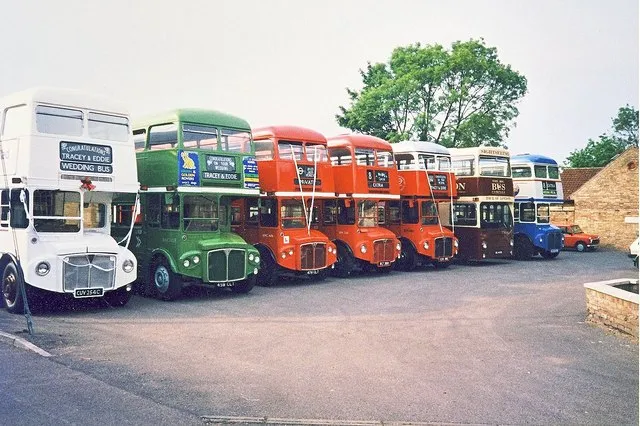
Photo: Ross, CC BY-SA 2.0, via Wikimedia Commons
Introverts are not anti-wedding. They are anti-crushed. A single day with 120 guests, a microphone, a seating plan and a well-meaning aunt asking why you are not smiling can feel less like a celebration and more like a shift on a customer service desk. Splitting the wedding into four smaller events is not a retreat from the party. It is a way of giving each part room to breathe.
For 2026 couples, the four-part wedding is also having a quiet moment of its own. Smaller ceremonies, pub back rooms and low-key meals are not a compromise; they are a design choice. And for introverted couples, they are a secret weapon.
The case for small doses
Four parties sounds like more socialising, but it is often less pressure. A welcome drink for 25 people on Friday, a ceremony for 20 on Saturday morning, a meal for 40 on Saturday afternoon and a pub back-room party for 60 that evening gives you different rooms, different volumes and different exit points. You are not 'on' for one 12-hour performance. You are hosting four shorter scenes, with recovery time in between.
For introverted couples, that is the secret weapon. You can be fully present at the ceremony because you know the loud part is later. You can leave the after-party at 9:30pm without abandoning your own wedding. You can skip the forced group photo marathon and still have pictures of every guest.
Managing the social battery
Treat your energy like a budget. Decide how many hours of conversation you can realistically handle in one block, then build the schedule around that. A 90-minute welcome drinks window is plenty. A two-hour meal with speeches kept to three short toasts is kinder than a four-hour banquet. The after-party can start later and finish earlier than you think.
Name a quiet space at every venue. Not a locked room — just a corner with a sofa, a lamp and permission to sit down. Ask a trusted friend to be the 'battery monitor' who can steer you away from a conversation that has turned into a 20-minute monologue about someone's conservatory. And build in a gap between events: a walk, a cup of tea, a lie-down. It is not antisocial; it is maintenance.
Guest-list boundaries
Small events make boundaries easier. You can invite 25 people to the welcome drinks, 20 to the ceremony, 40 to the meal and 70 to the evening party. That is not rude — it is clear. Put the invitation tiers on the website or RSVP form so nobody has to guess which parts they are invited to.
Be honest about plus-ones. If the venue truly cannot hold them, say so early. If you are inviting children to some events but not others, spell it out. And give guests a 'quiet guest' option on the RSVP: a tick box that says 'I would love a low-key seat away from the speakers'. It sounds small, but it gives introverted guests permission to self-manage.
Quiet-space styling that does not look like a dentist's waiting room
A recharge corner can still look like a wedding. Use soft lamps instead of overheads, a rug on a hard floor, a basket of blankets in winter and a few plants. Put out earplugs in a little dish, a stack of paperbacks and a jug of water. A simple sign — 'Quiet corner. No small talk required.' — does the job with a bit of humour.
At the meal, consider a longer table rather than a top table if you want fewer eyes on you. At the after-party, avoid strobe lighting and keep the volume below 'shout over the DJ' levels. A pub back room with a playlist and a garden is often gentler than a nightclub.
UK venues that work for low-key celebrations
Tiny registry offices are ideal for the ceremony: think 2–20 guests, a short service and no choreography. Town halls often hire out smaller committee rooms for £150–£400. Village halls can be softened with fairy lights and hired crockery; expect £15–£25 an hour in many parts of the UK. Pub back rooms are the unsung heroes — often free with a minimum spend, and already full of the right kind of noise. A hotel lounge or garden room can work for the meal, especially if it has a separate snug for anyone who needs to disappear.
The point is not to avoid people. It is to choose venues that let people opt in and out. A four-part wedding for introverts is still a wedding: there is cake, there are speeches, there is someone crying in the toilets. There is just less of a crush in the corridor.