No Gifts, Genuinely: Saying It Clearly Without the Awkward Silence
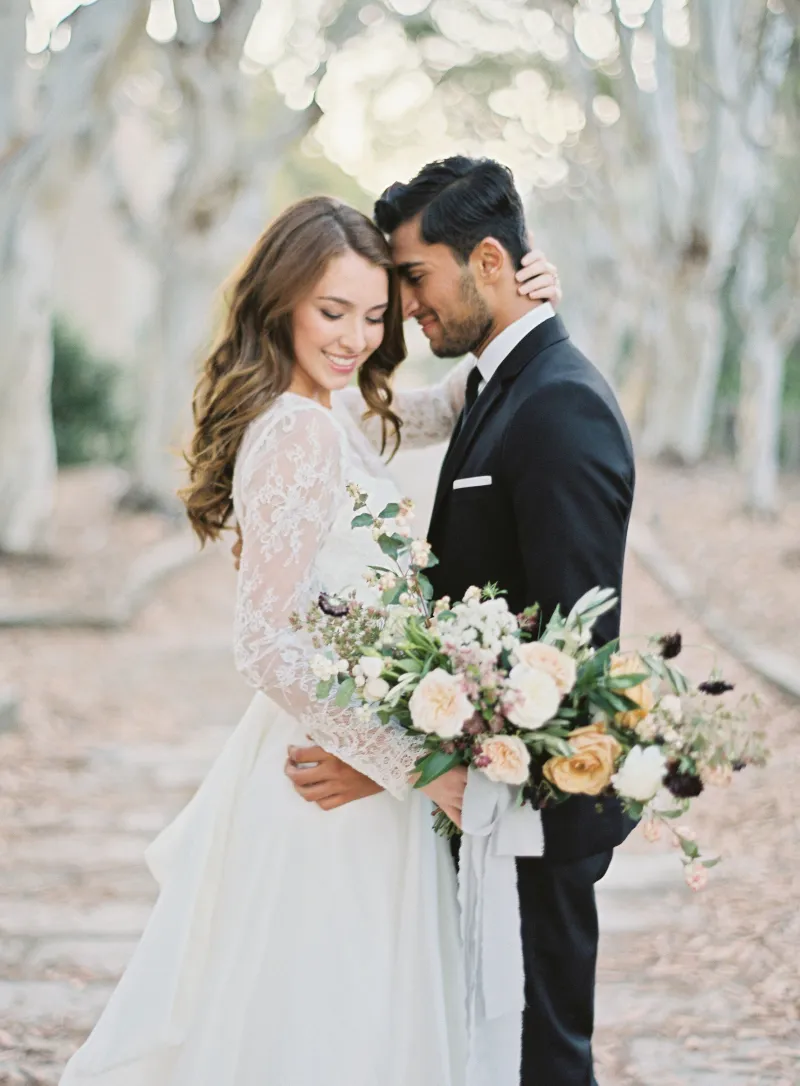
Photo: wedding invitation wording card on table with blank card pen and small charity collection tin, via s-media-cache-ak0.pinimg.com
'No gifts please' is one of those phrases that looks generous on paper and lands oddly in the post. Guests read it, feel slightly at sea, and then somebody rings your mum to ask what you actually want.
That's the problem in one line: a no-gift request without an alternative isn't clear, it's just confusing. And when you've asked people to travel to a village, book two nights, buy a new outfit and turn up to four separate events, an empty gesture can start to feel a bit hollow — even when you meant it kindly.
So here's the case for doing it properly.
Say it once, say it early, say it plainly
Put it on the invitation, not buried on a website nobody visits. Put it in the same sentence as the important information, so it reads as a decision rather than an apology.
Then stop talking about it. Repeatedly insisting on no gifts starts to sound like a test. Say it once in the invitation and once, if pressed, in person.
Wording that actually works
The trick is to be concrete. Vague generosity reads as coyness; specifics read as confidence.
The plain version: 'We're not asking for gifts. Four parties is already a lot to ask of you — having you there is genuinely the whole thing.'
The charity version: 'Instead of a gift, we'd love it if you'd put a few pounds in the collection for [local charity]. We'll be handing it over the week after the wedding and we'll let you know the total.'
The experience version: 'We're saving for [a fortnight in Cornwall / a proper honeymoon / a camper van we'll regret]. If you'd like to contribute, there'll be a jar at the bar on Saturday and a link on our page. Absolutely no obligation and no minimum — we mean it.'
The help version: 'If you'd like to give something, give us a Saturday morning. We need hands on the Friday to set out chairs and a couple of people to clear up on Sunday. That's the present.'
Notice that every one of those tells the guest what to do next. That's the whole job.
The older relative problem
Here's the thing about great-aunt territory: for a certain generation, turning up empty-handed genuinely feels rude. It isn't a comment on your values. It's how they were brought up, and arguing about it across a tea table is not a good use of a Saturday.
So give them a door to walk through. A card with a written memory in it. A recipe for the family recipe box. A photograph from 1987. A fiver into the honeymoon jar, which costs them almost nothing and lets them participate. Something small and specific is far kinder than a blanket refusal.
If someone insists on a boxed gift, take it. Graciously. Then let it go. This is not the hill.
Four alternatives that don't feel like a loophole
The test for any no-gift alternative is simple: would a guest feel obliged? If yes, it's a wish list with extra steps.
A charity collection works because the amount is private and the outcome is visible. Name one charity, not five. Say when you'll hand it over. Report the total afterwards — people like knowing the money did something.
A honeymoon fund works if there's a real thing being funded and you say what it is. 'A pint in Padstow' is charming. 'Our honeymoon fund' with a card reader and a suggested amount is a gift registry wearing a hat.
A group present works when a small number of people genuinely want to club together. Let them organise it. Don't hint at the thing you'd like. If they ask, answer once.
Help with the weekend works best of all for a four-party wedding, because you actually need it. Chair stacking, a lift from the station, somebody to run the confetti table, someone to take the borrowed crockery back on Monday. Frame it as the gift it is, and thank people properly afterwards.
The gift table problem
If you've said no gifts, don't set up a table for them. A draped table with a basket on it is an instruction, and guests will follow it, and then you'll be the couple who said no gifts and got fourteen.
If gifts do arrive — and some will — have a quiet place to put them and one person who knows where that place is. Don't stack them in the corner of the hall where everyone can count them.
The bit people forget
The no-gift decision doesn't end when the invitations go out. It ends when the thank-you messages land.
Thank people for coming. Thank them for the travel and the hotel and the second outfit. Tell them what the charity collection raised. Send the photo of the pint in Padstow. That's what closes the loop — not a polite line on a card in March, but a proper acknowledgement in November that their presence, and their not-present, both counted.
Generosity at a four-party wedding doesn't live on the gift table. It lives in the lift you didn't have to arrange, the chairs you didn't have to stack, and the guests who arrive with a card and leave with a full stomach and no guilt.